


Government’s long list of unfulfilled green promises leaves nature at risk, warn The Wildlife Trusts
The UK risks major embarrassment on the world stage as the most important global meeting on biodiversity in decades – the fifteenth Conference of the Parties (COP15) of the UN Convention on Biological Diversity – starts in Montreal, Canada next week.
COP15 comes at a time when nature is in steep decline across the Earth and the UK is officially one of the most nature-depleted countries in the world.
Yet the Government’s decision to press on with The Retained EU Law Bill threatens over a thousand laws that protect the environment, including those that protect wild places and wildlife, and ensure minimum standards for water quality and pollution.
To make matters worse, the Government has “a pattern of missing legislative deadlines” – according to the Office for Environmental Protection – which undermine the UK’s ability to restore nature.
Promised but missing policies include:
- Environment Act targets: overdue and key to nature’s recovery. With just seven years left to deliver them time is running out to reverse nature declines and clean up rivers
- 30×30 target: to protect 30% of land and sea by 2030, but currently only at 3.22% with no clear plan of how to reach 30% in the next seven years
- National Action Plan on Sustainable Use of Pesticides: absent since Spring 2022
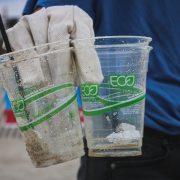
- Deposit Return Scheme to cut plastic pollution, especially in the marine environment: promised in 2018 but still not even close to being introduced
these stalled policies will prevent the UK from attaining the key principle of COP15 talks – to protect 30% of land and sea for nature by 2030.
Craig Bennett, chief executive of The Wildlife Trusts, says:
“The UK Government has a record of making big environmental announcements to get headlines, but then failing to keep promises. When it does follow-through the policies are so dramatically watered-down that they bear little resemblance to the ambition of the original promise.
“The UK Government is setting a dismal example to the rest of the world. It’s putting nature into reverse gear at a time when it should be setting a world-leading example at COP15. It must take urgent action at home to restore nature otherwise we cannot expect other countries to heed calls for ambitious global policies which help us address the climate crisis.
“If the UK wants to be a world leader on climate and nature it must scrap the appalling Retained EU Law (revocation and reform) Bill which threatens to remove or weaken the laws that protect wild places and species. It must also reward farmers for restoring the environment, not polluting it, and it must get stuck into its long-overdue to-do list as soon as possible. If not, we’re ill-equipped to deal with the crisis on our own doorsteps let alone advise the rest of the world.”
The interdependency between the nature and climate crises was recognised by the climate COP27 recently – joint solutions were urged. COP15 is a critical summit because there are currently no targets to halt and reverse global declines in habitat and wildlife – and because the previous targets that were set have failed. Nature’s decline matters to us all because it undermines our future ability to grow food, drink clean water, breathe clean air and survive in a warming world. The poor state of natural habitats is intrinsically linked to the climate crisis – restored habitats store carbon and degraded habitats emit carbon – so we cannot solve one without tackling the other.
COP15 runs from 7th – 19th December.
The Wildlife Trusts declared an ambition to help the UK reach the 30 by 30 goal two years ago and have since begun a number of new projects to help nature recover.
What's Your Reaction?


