

the European Citizens’ Initiative (ECI) has launched the “Good Clothes, Fair Pay” campaign to demand legislation on living wages for the people who make our clothes.
This year-long campaign needs at least one million signatures from EU citizens to call on the European Commission to introduce laws on this important issue. The initiative is led by a coalition of citizens, and supported by NGOs, policymakers and experts on living wages.
The ECI demands EU laws requiring companies selling garments, textiles and footwear in the EU to take action on living wages in their supply chains. Brands and retailers would be legally required to assess wages in their own supply chains, put in place plans to close the gap between actual and living wages, and publicly disclose their progress. The ECI can be signed on www.goodclothesfairpay.eu.
Right now, most of the people who make our clothes earn poverty wages while brands continue to make huge profits. As the largest importer of clothes in the world and one the biggest fashion consumer markets – with over 260 billion euro in sales expected in 20223 – the EU must address this unfair and exploitative model.
Kirsten Kossen, Senior Advisor Human Rights at ASN Bank – who initiated the ECI – and member of the ECI’s Citizens’ Committee, says: “For too long, brands have promised to do the right thing. They mostly haven’t. We cannot wait any longer for voluntary measures. As EU citizens, we have the power to change this and give garment workers a decent pay for their hard day’s work. For real, industry-wide change, fashion companies need to be held accountable.”
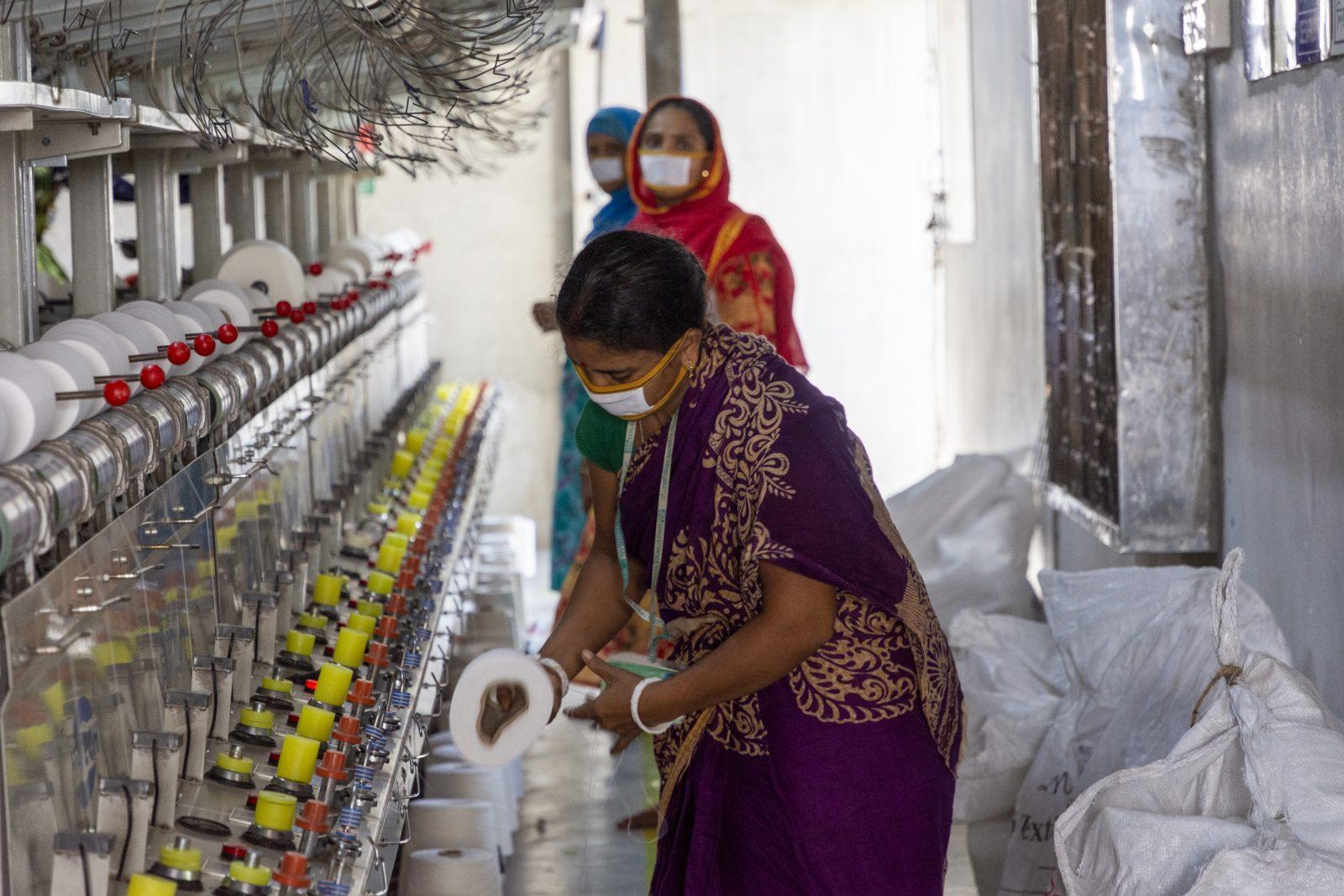
Garment workers, mostly women, earn on average 45% less than they need to provide for themselves and their families. Despite working gruelling hours, most struggle to put healthy food on the table, live in adequate housing, access healthcare, or even to send their children to school. Current legal minimum wages in the industry, set by governments in garment producing countries, are simply not enough to live on. Poverty wages are endemic to the global garment industry. They affect garment workers everywhere.
The fashion industry employs tens of millions of people globally and 1.5 million in the EU – most of whom are not paid living wages.

The situation has been worsened by the Covid-19 pandemic. Hundreds of thousands of workers were left unpaid for their work when major brands cancelled orders for goods already produced. This has led to a severe humanitarian crisis with workers left without a social safety net, struggling to pay for food, healthcare and accommodation.
For more information and to sign the ECI, please visit www.goodclothesfairpay.eu.
(Image credit: Fair Wear Foundation – https://www.fairwear.org/)
What's Your Reaction?