


We all know that feeling of wanting the newest and latest gadget, and the satisfaction of unboxing a new piece of tech.
But what happens to our old devices when we’re done with them?
For many of us, the answer is we simply throw them away.
With the ever-growing population and the high demand for new technology, the amount of electronic waste, or e-waste, is only increasing.
E-waste is any electronic device or component that is no longer working or wanted. This includes everything from laptops and phones, to toasters and coffee makers.
In 2016, the world generated a total of 44.7 million metric tons of e-waste.
Of that, only about 20% was recycled.
The rest was either sent to landfills or incinerated.
The United States is the world’s top producer of electronic waste, and exports more e-waste than any other country in the world.
Every year, the US generates about 3.4 million tons of e-waste, and only about a quarter of that is recycled properly.
The rest ends up in landfills, or is shipped to developing countries where it is often dumped illegally.
Developing countries lack the infrastructure and regulations to deal with e-waste.
As a result, much of the e-waste is simply dumped in landfills or burned, releasing harmful toxins into the environment.
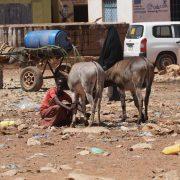
These toxins can contaminate soil and water, and cause respiratory problems, skin diseases, and other health issues.
Electronic waste can also attract scavengers who sift through the waste in search of valuable materials. This can create safety hazards, as well as social and economic problems for the people who live near these dump sites.
In addition to the health problems caused by e-waste, it also contributes to climate change.
The burning of e-waste releases a number of greenhouse gases, such as carbon dioxide and methane, into the atmosphere. These gases trap heat and contribute to the greenhouse effect, which is responsible for global warming.
E-waste is a growing problem, and it is important that we find a way to properly dispose of our electronic products. Developed countries must take responsibility for their e-waste and ensure that it is properly recycled. Otherwise, we will continue to harm the environment and the people who live in it.
We need to do better.
We need to find ways to recycle our electronic waste properly, and to reduce our over-consumption of electronic goods. But we also need to help developing countries deal with their growing mountains of e-waste. We can’t just keep dumping our problems on them.
What's Your Reaction?


