


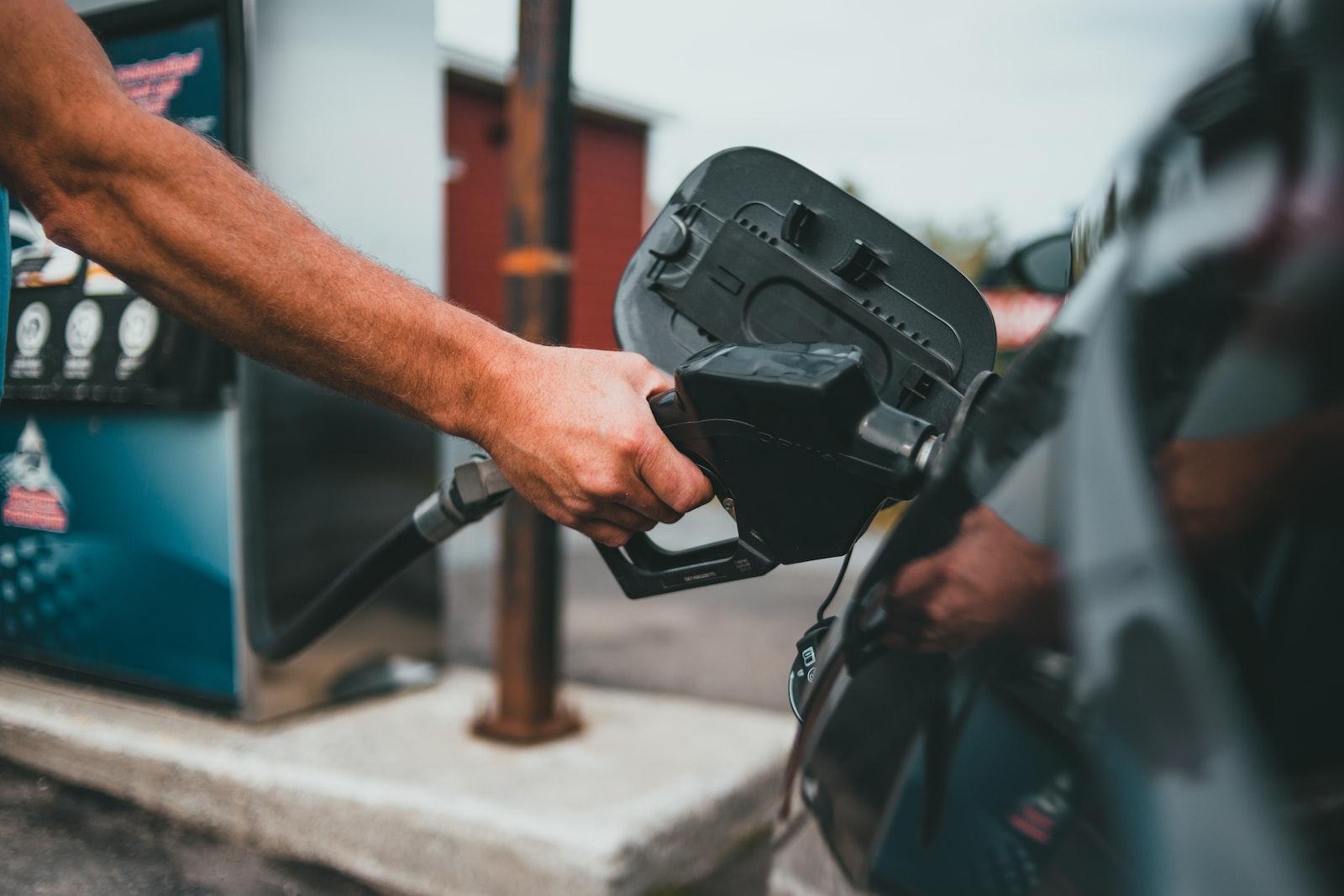
Government introduced ‘E10’ petrol after parliamentary group produced glowing report – despite warnings about its environmental credentials
A group of MPs who successfully lobbied the UK government to roll out a controversial ‘greener’ petrol to filling stations across the UK had received funding and support from the fuel industry, openDemocracy can reveal.
Letters obtained by this website reveal how the All-Party Parliamentary Group (APPG) for British Bioethanol met with ministers and urged the government to introduce E10 petrol “as swiftly as possible” despite warnings about its environmental credentials.
An influential report published by the group – and funded by a fuel company – also made questionable claims about the environmental benefits of E10 petrol.
But experts have warned that the fuel, which is marketed as a ‘greener’ version of petrol, could actually lead to an increase in CO2 emissions compared with regular petrol. The product was introduced in the UK in September.
In response to our investigation, Greenpeace has warned of “democracy being taken for a ride by corporate interests paying to get their point of view on the agenda”.
Doug Parr, the environmental charity’s head of policy, added: “PR consultancies providing the secretariats [for APPGs] should be obliged to declare where the money is coming from, with the APPG needing to demonstrate support from a range of MPs, and that they’re addressing a topic of genuine public interest. It’s important to remember that every time a corporation does something which appears to be a spontaneous act of selfless generosity, they know they might have to justify it to shareholders.“
OpenDemocracy revealed lobbyists have used APPGs as a £13m “back door” to Parliament. In recent years, APPGs have allowed private firms such as arms manufacturers and healthcare businesses to obtain access to MPs in exchange for cash or services donated to the groups.
British American Tobacco and Big Tech are also among those that have funded so-called All-Party Parliamentary Groups (APPGs) – which are largely unregulated and growing in numbers.
MPs from the British Bioethanol APPG told government ministers that the ‘renewable’ E10 fuel – which contains 10% ethanol rather than the 5% in standard unleaded fuel – would help to tackle climate change and air pollution.

But experts have cast doubt on some of the claims, saying the benefits of E10 can vary based on how it is produced.
“It all depends on where the ethanol comes from,” said Nick Molden, who runs testing firm Emissions Analytics. “You might have one source that is really good, but another source that’s worse than crude oil. So how certain can we be that it comes from a good source?
“A lot rests on the certification of ethanol. But I have concerns that the system may not be guaranteeing that.”
Molden added: “I’m not confident that E10 is actually reducing CO2 emissions, and theoretically it could be making it worse.”
What's Your Reaction?