

I’ve been ‘plant-based’ or ‘mostly vegan’ for several years now, since coming to understand the role of livestock on the climate. But towards the end of 2020, my son asked if he could be properly vegan. I joined him and we have done it together.
I haven’t mentioned this before on the blog. I see more value in reflecting on the experience afterwards and sharing what I’ve learned, rather than providing a live commentary on my lifestyle choices. But over a year in now, it’s worth thinking about some of the things I’ve learned. At the risk of upsetting some long-standing vegans, here are ten conclusions I have come to.
1 Veganism is a new and extreme diet. There’s no point in dressing this one up: no society in human history has been vegan. There is no tradition to it, no culinary heritage to draw on. Many cultures have been, and still are, vegetarian – but in shunning all animal products, veganism goes further. Since it was only codified and named in 1944, veganism as a diet and a philosophy is a first world response to industrial farming.
2 Veganism is an appropriate response to an industrial food system. Directly following point one, I’ve come to see a vegan diet not as an ideal that all humanity should aspire to, but as an act of resistance. It’s a protest diet, a rejection of the evils of industrial agriculture. And those evils are pretty indisputable, however socially acceptable they have become: mass slaughter of unwanted male chicks, battery hens, feedlot cattle, calves separated from their mothers, the huge carbon emissions behind cheap burgers. Veganism is extreme, but so is modern farming. People of conscience are quite right to walk away from animal agriculture.
3 Veganism is a first world diet. There are a couple of different elements to this. First of all, getting a nutritional balance as a vegan requires a variety of unusual ingredients, and probably health supplements to guarantee against deficiencies. These are specialist and expensive. The vast majority of the world’s population does not have access to these things, and may well struggle to stay healthy on a vegan diet. Secondly, veganism is in part a symptom of nature disconnection, the luxury of being able to choose what we eat without considering the practicalities of producing it – the dirty business of growing food or raising animals. For most people, what you get to eat is tied more directly to what your land produces. It is a privilege to be fussy about it.
4 The jury is still out on vegan diets for children. Because it is new and extreme, we don’t really understand the effects of veganism on children. I know vegan parents who would disagree, but with the best will in the world, the reality is that it hasn’t been well studied. Most people adopt a vegan diet as adults, and so there are unanswered questions, especially around brain development. Different families have their own compromises around that – I know a couple of friends who keep their own chickens, for example.
5 Being vegan is easier than ever before. There was a time when you were taking a lonely road as a vegan. That’s no longer the case. The supermarkets are well stocked with vegan products. There are many cookbooks and chefs to learn from. A growing number of restaurants, especially chain ones, have dedicated vegan menus. The days of being socially excluded as a vegan are passing, and it really isn’t a big challenge to eat vegan any more. I have not found it particularly difficult.
6 Vegan alternatives are disappointing. I know a lot of people disagree, but I like food. I like cooking and I’m interested in trying new things. And with vegan alternatives I consistently feel like I’m getting second best – the closest approximation to something. Occasionally you can’t tell the difference, and we produce very good dairy free ice-cream at home. But meat substitutes remain weird, despite recent improvements. And vegan cheese tastes like an oxymoron to me.
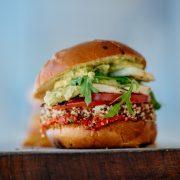
7 Vegan alternatives are unnecessary. Fortunately, you don’t need vegan cheese. I mean, eat it if you like it, but you can just as easily do without. And this is worth thinking about, because our consumption of processed foods has gone up since trying to eat vegan. Many vegan alternatives break the rules of sensible eating, and rely on food chemistry and industrial processes to artificially reproduce tastes and textures. The heart of good food culture has always been fresh ingredients, and we wouldn’t be doing ourselves any favours if we let go of that as vegans.
8 Food is cultural and the norms are unspoken. When we began eating vegan, the covid pandemic still had us at home all the time. Even school was closed. That gave us a false sense of how easy it might be. Once you leave the house, things have to be negotiated – school dinner menus, workplace catering. Visiting family is the most complicated, and choosing differently highlights how relational and cultural food is. All of a sudden family traditions are called into question in ways that make people uncomfortable. Lines are drawn and people take sides. It can be unexpectedly divisive. Compromises will be made for the sake of relationships, one way or another.
9 Just because you cooked it vegan, doesn’t mean you can stop your family from grating cheese on it when you serve it up. Which is another way of saying that mixed families, where people are making their own choices, will come up with their own ways of doing things and that’s fine. My son and I remain (mostly) vegan. My daughter eats differently, and because she has Type 1 diabetes, food is complicated enough as it is. While I know what I stand for in my food choices, I have to respect others’ decisions. I have no intention of imposing my choices on other people.
10 Being vegan does not excuse you from the parental duties to ‘taste this and see if it’s off’. Given that food is relational, flexibility is good. I don’t think it’s helpful when vegan diets are presented as an all or nothing commitment, with talk of ‘falling off the wagon’ or surveys that ask how long people lasted. I try to make good choices, I do my best to live up to my good intentions, and I am humble enough to recognise that perfection is impossible.
What's Your Reaction?