


This year’s record-breaking heatwaves and droughts have had many consequences.
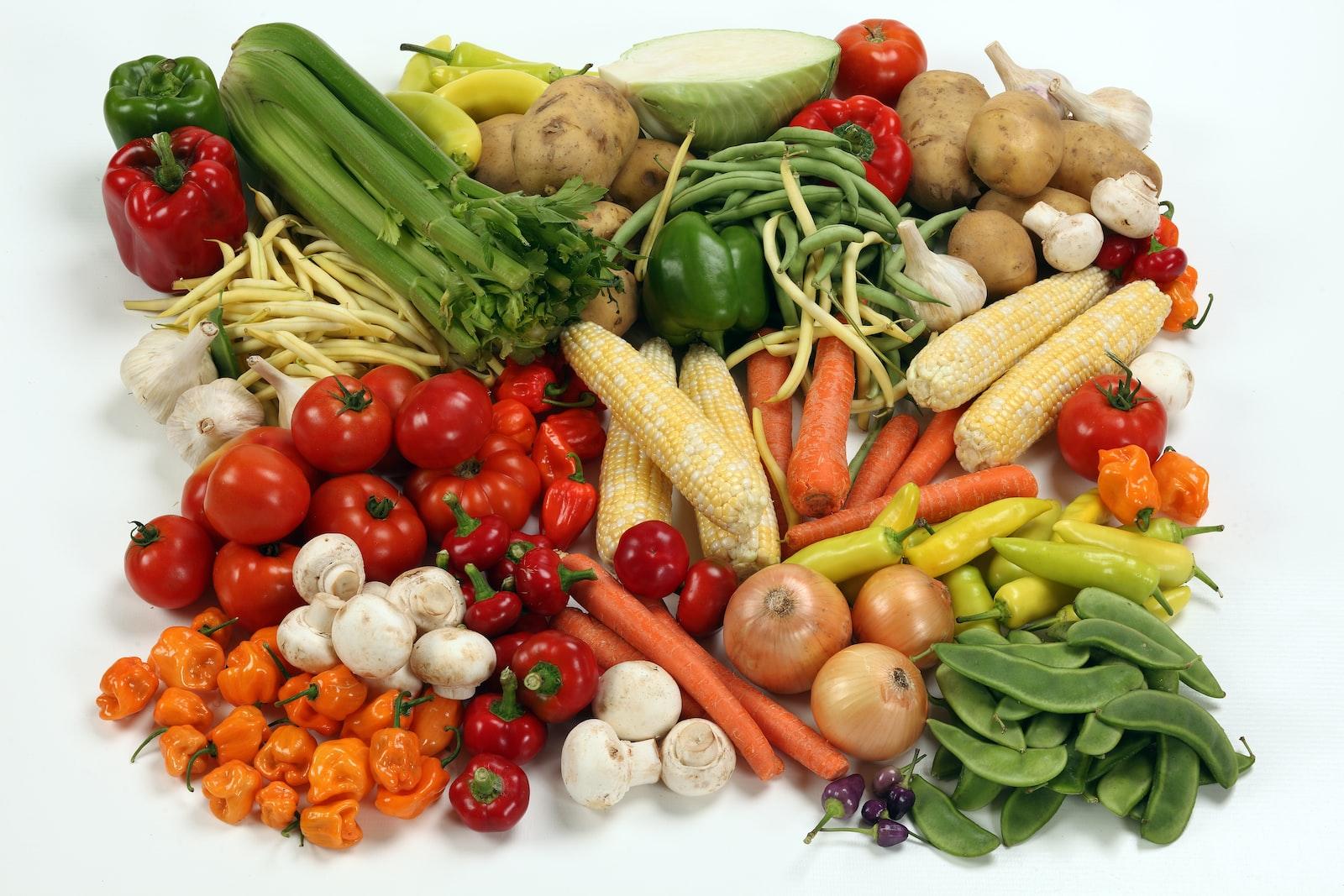
Making fruit and vegetables smaller and wonkier is one that many would not have expected, but farmers say that is what is happening – and they are urging shoppers not to turn their backs on the oddly shaped produce.
Crops are coming out of the ground stunted or misshapen because so much farmland has been left parched by the dry summer experienced by much of the world.
Farmers in mainland Europe and the UK are among those who have been battling with droughts, and farming groups say there could be further hikes in food prices if supermarket chains don’t start accepting more wonky fruit and vegetables.
“Consumers have been conditioned to believe that a potato looks a certain way, [but] we need to be more relaxed about appearance,” the Vice-President of the National Farmers Union for England and Wales, Tom Bradshaw, told the BBC.
Throwing away fruit and vegetables simply because they aren’t the perfect size or shape also contributes to a global mountain of food waste. And there are longstanding concerns about how throwing away food fuels hunger and the climate crisis.
Research in the UK has also suggested that some consumers are turning to wonky veg in an effort to keep costs down amid rapidly rising food prices.
Tackling food waste
The British Retail Consortium – which represents supermarkets – says stores are aware of the problems caused by the dry weather and will support farmers. It says its members are selling more oddly shaped fruit and vegetables, and using them in ready-made meals.
But farmers say the biggest cause of food waste is produce being rejected because it doesn’t meet cosmetic standards, or because it has been damaged by pests, reports UK newspaper The Times.
An estimated 2.5 billion tonnes of food is wasted around the world each year – representing 40% of production, says a report from conservation charity WWF and UK supermarket Tesco.
All of this food is discarded despite widespread global hunger. More than 820 million people are estimated to be malnourished or starving, and food supplies to some parts of the world have been disrupted by the war in Ukraine.
Climate change impacts
The WWF report recommends changes in supply chains to make sure less food is thrown away because of the way it looks.
“By specifying high standards in shape and appearance, especially for fruit and vegetables, produce out-graded from the intended market may command lower prices,” it says. This means that “produce may be left unharvested, culled during harvest or used in low value applications”.
The huge amount of uneaten food is also accelerating the climate crisis.
“If food waste and loss were a country, it would be the third-biggest source of greenhouse gas emissions,” says the United Nations Environment Programme’s Executive Director, Inger Andersen. “Let us all shop carefully, cook creatively and make wasting food anywhere socially unacceptable.”
The impact on the climate is not just a result of the energy wasted producing food that is never eaten. When food rots on landfill sites, it releases the powerful greenhouse gas methane, a major cause of global warming.
Eating more wonky fruit and vegetables won’t be enough to solve these problems, but it could help. Some consumers say they are prepared to do their bit, with a survey of UK shoppers suggesting 87% are comfortable with less than perfectly shaped produce.
The shape of things to come?
Suppliers are stepping in too. The Wonky Food Company says it is tackling global food waste by working with farmers to create products that use imperfect and leftover fruit and vegetables.
One of the company’s founders says he was inspired by the “pointless waste” of kiwi fruit he witnessed while working on a farm in New Zealand.
This year’s crop of wonky vegetables is unlikely to be a one-off. Farmers face a future of tough growing conditions caused by global warming.
“Climate change studies warn that droughts are going to be more intense, more frequent and longer”, Nuria Hernández-Mora, Co-founder of non-profit organization New Water Culture Foundation, told UK newspaper The Guardian. “This is going to be the new normal”.
What's Your Reaction?




Unlocking EU’s deforestation law: smallholders hold the key