


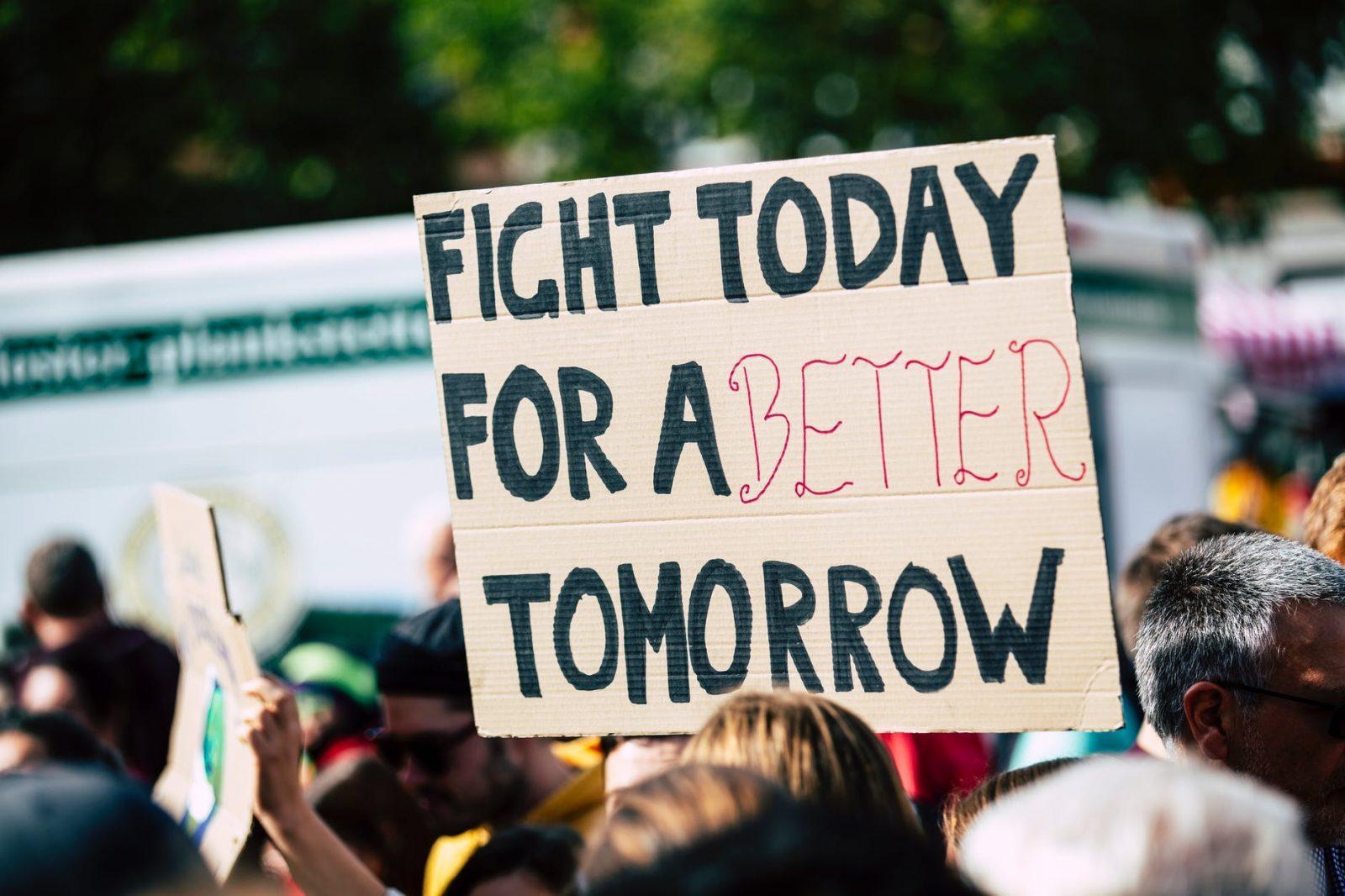
Given the power that big corporations hold, it may seem impossible for ordinary people to effect change, but that’s not the case.
Boycotts focus on taking ‘action through inaction’, encouraging consumers to spend their money elsewhere. The assumption is usually that boycotts will hurt businesses financially and force them to change. Unfortunately, the sheer numbers required to significantly dent a global brand’s bottom line means that that’s not always achievable.
But that doesn’t mean boycotts are pointless.
Corporations can, and often do, change their ways – especially when their reputation is at stake. Once a brand is involved in an ethical scandal, it can be difficult for consumers to forget its association with the issue – and this can force the company to take action, or risk losing long-term profit and competitive advantage.
Boycotts show what consumers care about
Companies invest a lot of money figuring out what causes their audience cares most about, but they don’t always get it right.
Brands also spend lots of money on ‘social listening’ to understand how their brand is perceived. So negative press and talk on social media, when it gets loud enough, can make its way to the boardroom table. Boycotts can be a good way of demonstrating consumer demand around environmental and social issues and encouraging corporate decision makers to prioritise your cause.
Hitting them where it hurts – their reputation
Often, boycotts don’t work because of immediate financial impact, but because of damage to brand reputation – something which is often a lot more costly and time consuming to fix.
So if you are boycotting brands, tell them!
Share the boycott on social media, write to them or tweet them directly. Keep it polite but tell them your reasons why, and encourage other boycotters to do the same.
Even if the company on the receiving end of the boycott doesn’t care and doesn’t change, you can guarantee their competitors are watching and listening – and they will be influenced by boycott action too (because nobody wants to be next!)
Likewise, if you switch to a competitor brand because of their good behaviour or positive stance, take a moment to tell them why too. It’ll encourage further ESG investment and support the business case for these changes.
How to join a boycott
There are two types of boycott – primary and secondary. Primary boycotts are aimed directly at the company you are in disagreement with, whereas secondary boycotts target businesses in their supply chain and try to convince them to stop working with the ultimate target of action.
The internet and social media are usually the best source of up-to-date information on company practices and consumer action, and can help you find boycotts to support.

Engaging in boycotts takes research and planning, and if you boycott too many companies at once, you’re more likely to slip into your old shopping habits. Choose one boycott and plan how you will phase that company out of your shopping over time – and how you will communicate this action to them. The conversation is often the most important part!
Should you start a boycott?
Formal boycotts take a lot of work, over a sustained period of time and require mass consumer action. They’re a lot of work for one individual to take on alone. If you want to create change, it can be more effective to join an existing organisation or campaign and work with like-minded people and organisations.
You also need to consider whether the subject of your boycott may take legal action against you for damages resulting from boycott action. Working with experience organisations will help you stay informed about how to keep your boycott action legal.
Even if you’re not in a position to boycott (or simply don’t want to), take a second to make your opinions known to the brands you love – even a simple tweet can go a long way.
Often the social media manager/team is the first to spot an incoming crisis, and has their finger on the pulse of consumer demand. If noise gets loud enough, or the same question is asked often enough, they are the ones to escalate it up the chain of command. Help them make a business case for change by making yourself heard!
What's Your Reaction?